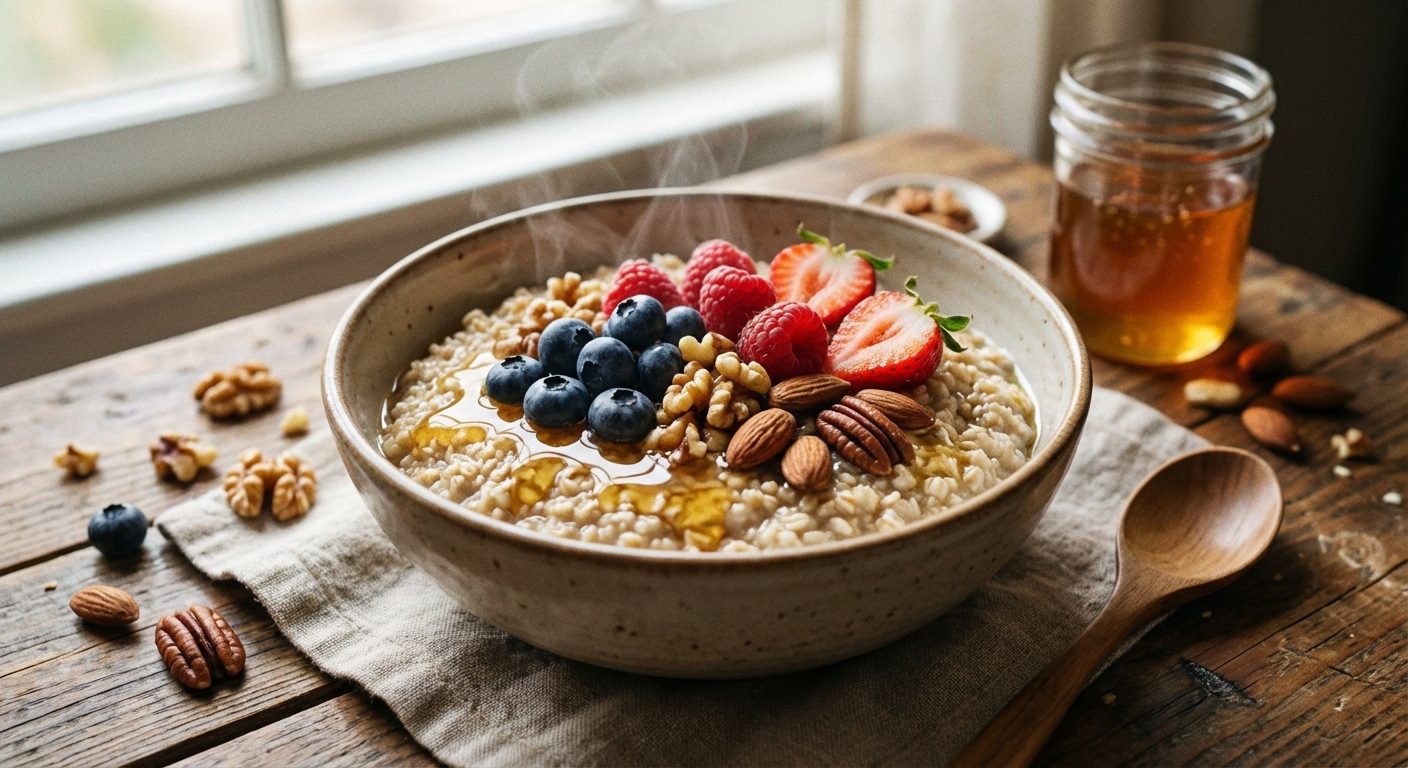
The Power of Oats: A Simple Solution to High Cholesterol
If you've been searching for a quick and natural way to improve your cholesterol levels, you might be surprised to learn that the answer could be sitting in your pantry right now. An oat-based diet has gained significant attention in recent years for its remarkable ability to reduce cholesterol rapidly, with some people experiencing noticeable improvements in just two days. This isn't just another wellness trend, but rather a scientifically-backed approach that combines simplicity with real results.
Cholesterol management doesn't always require expensive supplements or complicated meal plans. Sometimes, the most effective solutions come from whole foods that have been nourishing people for centuries. Oats stand out as one of the most powerful allies in your fight against high cholesterol, offering a combination of soluble fiber and bioactive compounds that work together to transform your cardiovascular health.
Understanding Why Oats Work So Well
The magic behind oats lies in a specific type of fiber called beta-glucan. This soluble fiber acts like a sponge in your digestive system, binding to cholesterol particles and helping your body eliminate them more efficiently. When you consume oats, the beta-glucan dissolves in your stomach and forms a thick gel-like substance that traps cholesterol before it can be absorbed into your bloodstream.
What makes this mechanism particularly effective is its speed. Unlike many dietary interventions that require weeks or months to show results, beta-glucan from oats begins working immediately. Within the first 24 to 48 hours of incorporating oats into your diet, your body starts processing cholesterol differently, leading to measurable reductions in blood cholesterol levels.
Research has consistently shown that consuming just 3 grams of beta-glucan daily can lower LDL cholesterol (the "bad" cholesterol) by up to 5 percent. A single bowl of oatmeal typically contains between 2 to 4 grams of beta-glucan, depending on the type and preparation method.
Getting Started with an Oat-Based Diet
Starting an oat-based diet for cholesterol reduction is refreshingly straightforward. You don't need to overhaul your entire eating pattern or eliminate foods you enjoy. Instead, the focus is on adding oats strategically throughout your day.
The most effective approach includes:
- Eating a bowl of steel-cut or rolled oats for breakfast
- Incorporating oat flour into baking projects
- Adding oats to smoothies and yogurt
- Snacking on oat-based energy bars
- Using oat milk as a dairy alternative
The key is consistency. To experience the two-day cholesterol reduction effect, you'll want to consume oats regularly throughout this period, ideally at multiple meals. This isn't about eating nothing but oats, but rather making oats a central component of your daily nutrition.
Maximizing the Cholesterol-Lowering Benefits
To get the most from an oat-based diet, timing and combination matter. Pairing your oats with other heart-healthy foods amplifies their cholesterol-reducing effects.
Combine your oats with:
- Fresh berries, which contain additional fiber and antioxidants
- Nuts and seeds like almonds or flaxseeds for healthy fats
- Plant-based proteins such as legumes
- Leafy greens and vegetables for extra nutrients
- Cinnamon, which has its own cholesterol-lowering properties
Avoid adding excessive sugar or processed toppings, as these can counteract the benefits. The goal is to create meals that support your cardiovascular health rather than working against it.
The Science Behind Rapid Results
You might wonder how an oat-based diet can produce results in just two days when other dietary changes take weeks. The answer lies in understanding how quickly your digestive system responds to soluble fiber.
When beta-glucan enters your system, it immediately begins binding to cholesterol molecules in your digestive tract. Your liver responds by increasing the production of new HDL cholesterol (the "good" kind) while simultaneously working to eliminate more LDL cholesterol through bile acids. This cascade of metabolic changes happens remarkably fast, which is why some people notice improvements within 48 hours.
It's important to note that these initial improvements may be particularly noticeable in people with elevated cholesterol levels. Those with moderately high cholesterol often see more dramatic shifts than those with cholesterol levels that are already well-controlled.
What to Expect During Your First Two Days
When you start an oat-based diet specifically designed to lower cholesterol, your body undergoes several changes. During the first day, you may experience increased satiety, meaning you feel fuller longer. This happens because beta-glucan slows digestion and keeps you satisfied between meals.
By day two, many people report feeling more energized and noticing improvements in their digestive health. Some experience a slight adjustment period as their gut adapts to the increased fiber intake, which is completely normal and typically temporary.
Common experiences during the first 48 hours:
- Improved energy levels throughout the day
- Better appetite control and reduced cravings
- Enhanced digestive function
- Measurable reductions in cholesterol when tested
- Improved mood and mental clarity
Beyond the First Two Days
While the initial two-day period shows impressive results, the real benefits of an oat-based diet accumulate over time. Continuing with oats as a dietary staple provides long-term cholesterol management and cardiovascular health improvements.
Studies following people on oat-rich diets for extended periods show sustained cholesterol reduction, lower blood pressure, and improved overall heart health markers. The key is making oats a permanent part of your eating habits rather than viewing this as a temporary fix.
Choosing the Right Type of Oats
Not all oats deliver the same cholesterol-lowering benefits. The type you choose matters significantly.
- Steel-cut oats: Highest in beta-glucan and most effective
- Rolled oats: Good beta-glucan content and convenient
- Instant oats: Lower beta-glucan due to processing
- Oat bran: Concentrated source of beta-glucan, excellent for cholesterol reduction
For maximum cholesterol-lowering effects during your two-day period, steel-cut oats or rolled oats provide the best results. Oat bran is also an excellent choice if you want to concentrate the beta-glucan content.
Making It Sustainable
The beauty of an oat-based diet is that it's genuinely sustainable. Unlike restrictive diets that leave you feeling deprived, incorporating oats feels like a positive addition to your lifestyle rather than a sacrifice.
You can enjoy oats in countless ways, from traditional oatmeal to creative recipes like oat pancakes, oat cookies, or savory oat bowls. This variety ensures you won't get bored and will actually look forward to your meals.
Taking Action for Your Heart Health
An oat-based diet represents one of the simplest, most accessible ways to take control of your cholesterol levels. With results potentially visible within just two days, you have a practical tool for immediate health improvement.
Start today by adding oats to your breakfast tomorrow morning. Notice how you feel, monitor your energy levels, and consider getting your cholesterol tested after two days to see the measurable difference. Your heart will thank you for this simple but powerful dietary choice.