When Species Find Their Way Back
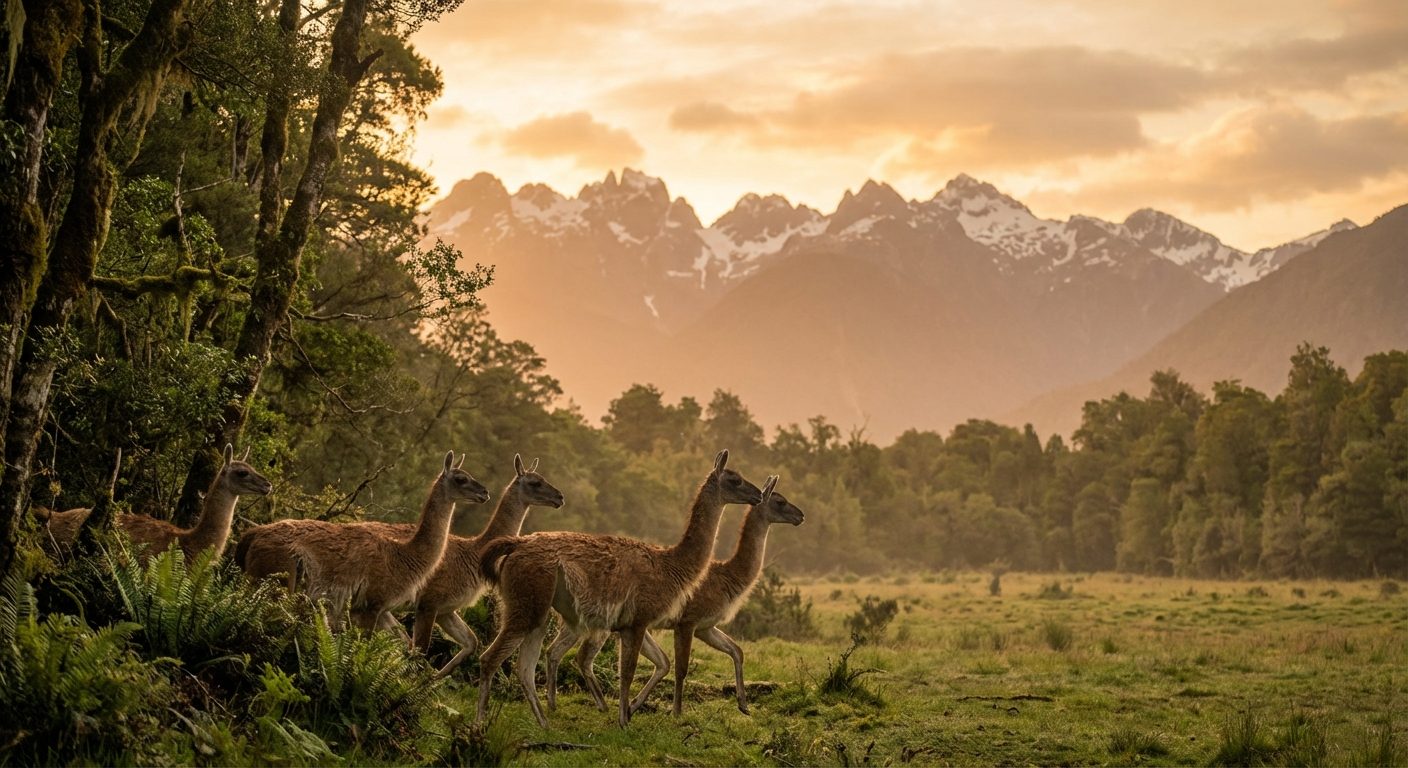
The natural world occasionally offers us moments of genuine hope. In recent years, conservationists and wildlife experts have witnessed an extraordinary phenomenon: a mammal species that was once on the brink of extinction is now reclaiming territory it hadn't inhabited for decades. This comeback story reminds us that with dedicated effort and strategic conservation work, even the most dire situations can turn around.
The recovery of endangered species represents one of the most compelling narratives in modern wildlife management. When a nearly extinct mammal successfully returns to its territory, it signals not only the species' resilience but also the effectiveness of coordinated conservation initiatives. These success stories inspire continued investment in environmental protection and demonstrate that human intervention, when done thoughtfully, can reverse the damage of past decades.
Understanding the Crisis
Before celebrating this remarkable recovery, we must understand the gravity of the situation these animals faced. Many mammal species have experienced catastrophic population declines due to habitat loss, human encroachment, and environmental degradation. The territories these creatures once roamed freely have been transformed by urbanization, agriculture, and industrial development.
The factors contributing to near-extinction typically include:
- Habitat destruction: Loss of forests, wetlands, and natural corridors
- Human-wildlife conflict: Competition for resources and space
- Poaching and illegal trade: Hunting for fur, meat, or traditional medicine
- Climate change: Shifting environmental conditions and food availability
- Disease and pollution: Environmental toxins and emerging pathogens
For the mammal species in question, a combination of these pressures had reduced populations to critically low numbers. Scientists feared that without immediate intervention, the species would disappear entirely from its native range.
The Conservation Effort Behind the Recovery
The restoration of a nearly extinct mammal to its territory doesn't happen by chance. It requires meticulous planning, substantial funding, and cooperation among multiple stakeholders. Conservation organizations, government agencies, local communities, and international partners must work in harmony to create the conditions necessary for species recovery.
Key strategies that made this comeback possible:
Protected area establishment involves designating and actively managing land where the species can thrive without human interference. These sanctuaries serve as safe havens where populations can grow and stabilize.
Habitat restoration goes beyond simply protecting existing land. It means actively restoring degraded ecosystems, replanting native vegetation, and rebuilding the ecological networks that these mammals depend upon for survival.
Breeding programs have proven essential for species on the edge of extinction. Captive breeding initiatives increase population numbers while genetic diversity is carefully managed to ensure healthy, viable populations.
Community engagement ensures that local populations understand and support conservation efforts. When people living near wildlife territories benefit from conservation through eco-tourism or employment opportunities, they become valuable allies in protection efforts.
Monitoring and research provide the data necessary to track population trends and adjust strategies as needed. GPS collars, camera traps, and genetic analysis help scientists understand how the species is faring in its reclaimed territory.
The Territory Reclamation Process
When a mammal species begins returning to its native territory, the process unfolds gradually. Initial reintroduction efforts often involve releasing small groups of animals into protected areas, then carefully monitoring their behavior and survival rates.
The animals must relearn how to navigate their ancestral landscape. They need to rediscover food sources, establish social hierarchies, and adapt to the current environmental conditions. This transition period is critical and requires intensive observation to ensure the animals are thriving.
Challenges during recolonization:
Some individuals may struggle to adapt to life in the wild after generations spent in captive environments. Others might face competition from other species that have occupied the territory during the mammal's absence. Environmental conditions may have changed significantly since the species last inhabited the area, requiring behavioral flexibility.
However, when reintroduction programs are well-executed, these challenges can be overcome. Young animals born in the wild often adapt more readily than their captive-born parents, and successive generations become increasingly acclimated to their native habitat.
Ecological Impact and Ecosystem Benefits
The return of a nearly extinct mammal to its territory extends far beyond the species itself. These animals often play crucial ecological roles that ripple through entire ecosystems. Their presence can influence vegetation patterns, predator-prey relationships, and nutrient cycling.
When large herbivores return to an area, they reshape plant communities through grazing and browsing. When predators reclaim their territory, they help regulate prey populations and maintain ecological balance. These cascading effects can restore ecosystem health and resilience.
The recovery also provides tangible benefits to human communities. Restored ecosystems offer clean water, pollination services, carbon storage, and recreational opportunities. Wildlife viewing and eco-tourism generate economic benefits that often exceed the costs of conservation efforts.
Monitoring Success and Looking Forward
Determining whether a reintroduction has succeeded requires long-term monitoring and clear metrics. Scientists track population growth rates, genetic diversity, reproductive success, and territorial expansion. They assess whether the species is becoming self-sustaining or still requires active management.
The mammal species reclaiming its territory today represents a milestone in conservation, but the work continues. Maintaining viable populations requires ongoing habitat protection, monitoring, and adaptive management. Climate change, emerging diseases, and human pressures remain potential threats.
What This Means for Conservation Worldwide
This remarkable recovery demonstrates that extinction is not inevitable. With sufficient commitment and resources, we can reverse population declines and restore species to their native territories. The success provides a template for other conservation efforts around the globe.
However, it also underscores an important reality: prevention is far more cost-effective than recovery. Protecting habitats before species become critically endangered requires far fewer resources than mounting rescue operations for species on the brink of disappearing forever.
The mammal reclaiming its territory today represents thousands of individual animals, countless hours of scientific work, and millions of dollars in conservation investment. It stands as a testament to what becomes possible when society prioritizes the protection of our natural heritage.
As we face unprecedented environmental challenges, stories like this one fuel the determination of conservationists and inspire public support for wildlife protection. Each species that successfully returns to its native territory strengthens the argument for comprehensive environmental stewardship and demonstrates that hope, backed by action and science, can triumph over despair.